MP hails Belad-e Shapur’s bazaar restoration
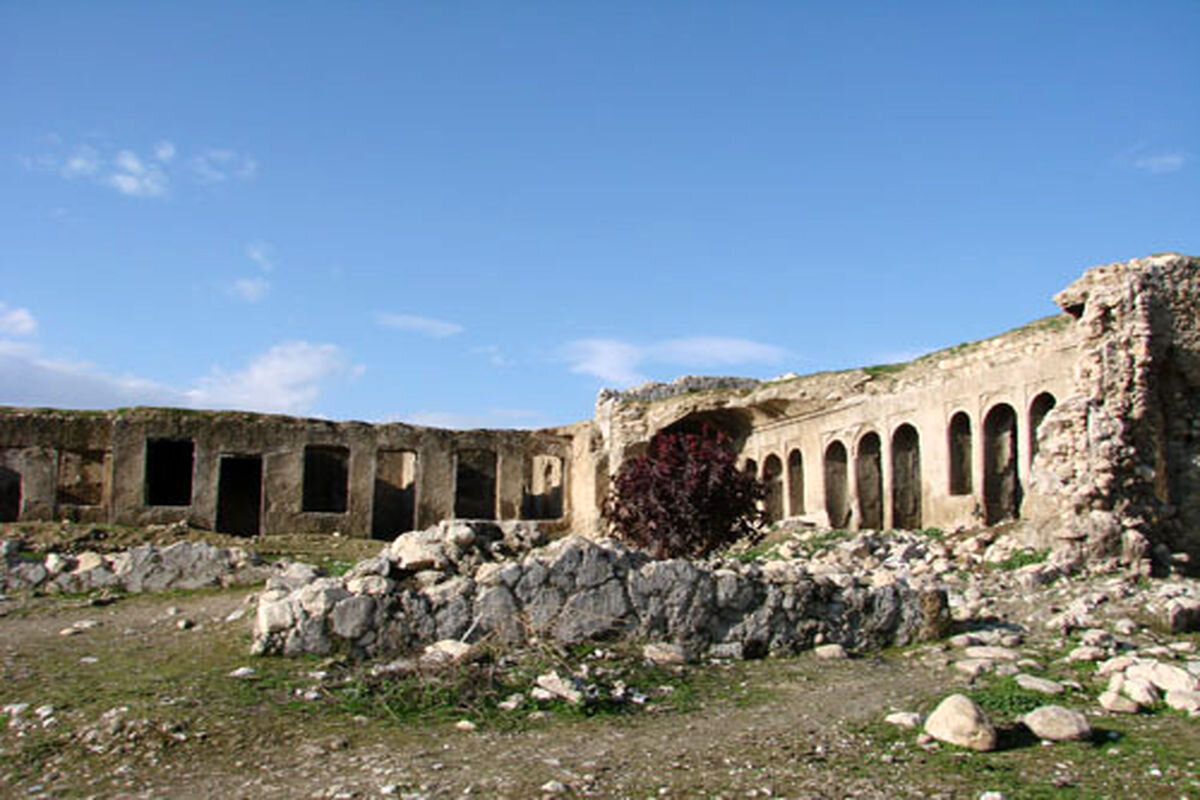
TEHRAN-- Revival of the historical Belad-e Shapur Bazaar in Dehdasht, Kohgiluyeh-Boyerahmad province, is a lasting and effective measure.
The project has been able to protect the historical identity and pave the way for tourism boom and economic mobility in Kohgiluyeh county, Miras Aria reported.
Speaking on the sidelines of visit to the historical texture of Dehdasht on Sunday, , Hojjatoleslam Seyyed Mohammad Movahed, the representative of people of Kohgiluyeh, Behmaie, Cheram and Landeh counties in Iranian Parliament, said that Minister of Cultural Heritage, Tourism and Handicrafts Reza Salehi-Amiri has a special and strategic view of the balanced development of the country's less-privileged areas. “In this regard, significant funds have been allocated at the national level to the historical texture of Dehdasht, and the restoration of the chambers of the ancient bazaar of Belad-e Shapur is a clear example of this supportive and development-oriented policy.”
Stating that the current state of the historical texture of Dehdasht has improved significantly compared to the last year, he added: “Today, we are witnessing a tangible transformation in this historical texture; a transformation that is the result of planning, resource allocation and continuous follow-up in the field of restoration and revival of cultural heritage.”
Referring to the active projects in the historical texture of Dehdasht, Movahed continued: “The governor-general, as the highest representative of the Government in the province, is responsible for managing and directing the funds, and we, as representatives of the people, will present the necessary suggestions and support them wherever needed, in specialized commissions and in the process of drafting and reviewing budget bills. Preservation of historical monuments and tourism development is a shared responsibility that all agencies and institutions must play a role in.”
Emphasizing the need to promote tourism attractions in the historical texture of Dehdasht, the lawmaker stated: “We must try to ensure that tourists who travel to this region encounter a new, dynamic, and narrative attraction; an attraction that both reflects the historical richness of this place and, by appropriately reflecting this treasure in the public and media space, provides the basis for a wider presence of people and tourists.”
In conclusion, he emphasized the need for management cooperation at various levels and said: “Organizing the historical texture of Dehdasht and realizing tourism prosperity in this region requires the coherent cooperation of all county and provincial managers. The fundamental restoration of the historical monuments and development of tourism infrastructure will not only lead to the preservation of cultural heritage, but will also directly lead to the economic prosperity, job creation, and improving the livelihoods of local communities.”
Belad-e Shapur ruins draw avid sightseers, historians and researchers to the ancient Sassanid city in southwest Iran.
The ancient city was found at the time of Shapur I, the second king of the Sassanid Dynasty who reigned from 241 CE–272.
Under his leadership, the Sassanid Empire stretched from Sogdiana and Iberia (Georgia) in the north to the Mazun region of Arabia in the south; in the east, it extended to the Indus River and in the west to the upper Tigris and Euphrates river valleys.
In the Sassanid epoch, art and architecture experienced a general renaissance. Architecture often took grandiose proportions such as palaces at Ctesiphon, Firuzabad, and Sarvestan that are amongst highlights of the ensemble.
In that time, highly sophisticated crafts like metalwork and gem engraving developed. Moreover, texts from the East and the West were translated into Pahlavi, the then official language.
In addition, the lavish Sassanian art touched upon rock-carved sculptures and bas-reliefs carved on abrupt limestone cliffs. Best examples can be traced at Bishapur, Naqsh-e Rostam, and Naqsh-e Rajab in southern Iran.
In 2018, the United Nations Educational, Scientific and Cultural Organization added an ensemble of Sassanian historical cities in southern Iran -- titled “Sassanid Archaeological Landscape of Fars Region”-- to its World Heritage list.
Apart from its rich antiquities, Kohgiluyeh and Boyer-Ahmad is a gem for nature lovers. Moreover, it is known for being home to nomadic tribes. Sightseers may live with a nomadic or rural family for a while or enjoy an independent stay and assist them with day-to-day life. It also opens up an opportunity to feel rustic routines, their agriculture, traditions, arts, and culture.
KD
Leave a Comment